
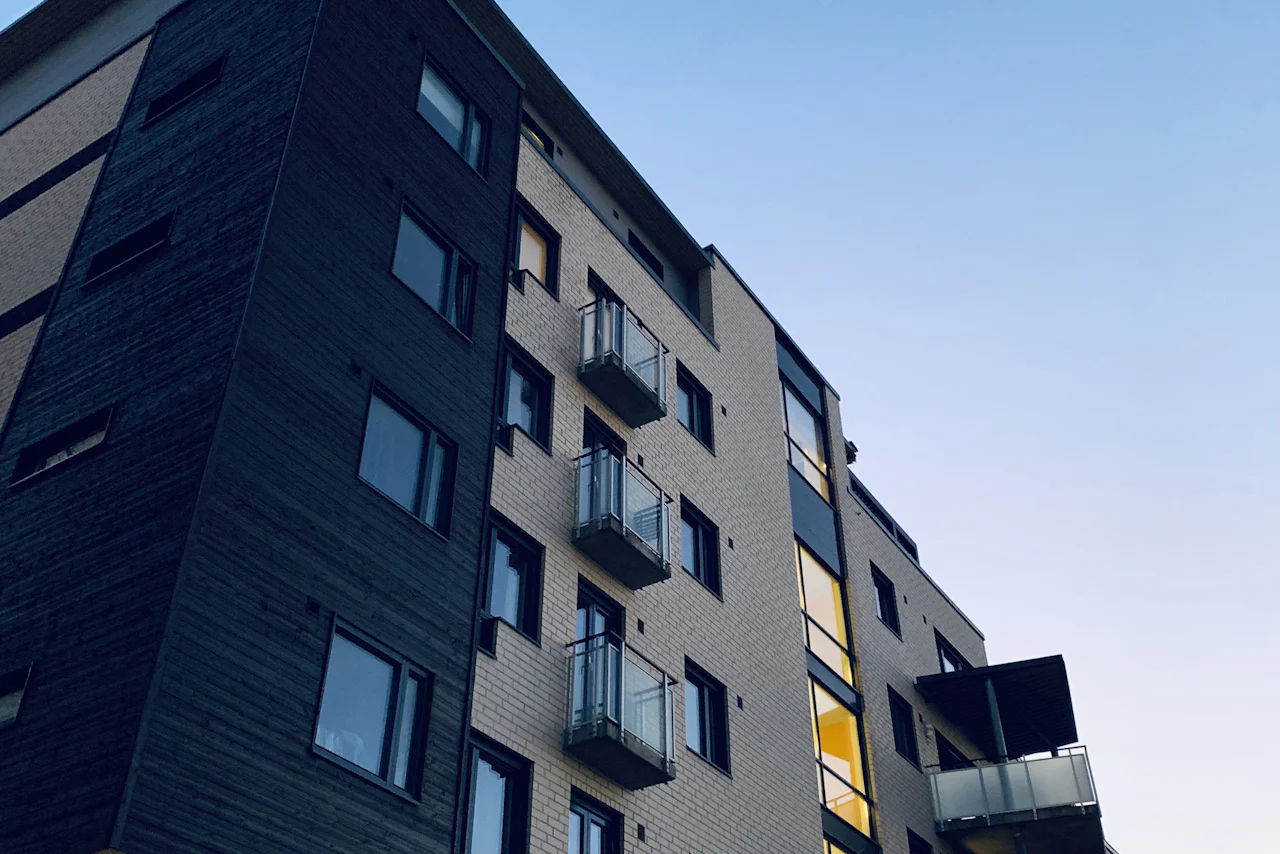
 Completed
Apartments · Dhanmondi
Demo Project — Dhanmondi
1,650 sft · 3 bed
Dhaka
Sell it outright or build on it with us — we price both before you decide, and the plot details never leave one private inbox.
Almost every joint venture in Dhanmondi is a redevelopment. The plots were allotted decades ago and built on soon after, so what a developer is proposing is not building on empty land but replacing a building that is still standing and often still lived in. That changes the conversation in ways worth understanding before you have it, because the questions that decide whether the arrangement works for you are different from the ones that apply on a vacant plot.
The economics are usually favourable to the owner here, and for a straightforward reason: the location is closed. Nothing new is being created in Dhanmondi, demand for it has not moved, and a developer who wants to build here has to come to somebody who already owns a plot. If you own one, you are on the scarce side of that. It is the strongest position a landowner can negotiate from, and it is worth taking the time to use it rather than accepting the first ratio offered.
What decides the outcome is the plot rather than the area. Its size, its road frontage and whether it is a corner set the approved floor area, and the approved floor area is what both sides are dividing. Setbacks matter more here than in the newer areas because the plots are smaller, so a metre of frontage changes the arithmetic more than it would in Bashundhara. Ask any developer to show you the floor area calculation on both sides before discussing a ratio at all — a proposal that starts with a ratio and works backwards is telling you which of you has done the arithmetic.
Then there is the part specific to redevelopment: where you live while it happens. A vacant plot costs the owner nothing but time. Replacing the building you live in, or that your tenants live in, costs rent for the duration, and the duration is measured in years rather than months. Whether the developer pays that rent, at what rate, and what happens if the build overruns, belongs in the agreement as firmly as the ratio does. So does what happens to any tenants, which is a real obligation and not a detail.
The rest is the ordinary discipline of any development agreement, and it is not optional. Your apartments identified by floor and by facing, never as a percentage. The handover date with a stated consequence if it passes. The finishing specification written as brands and materials rather than adjectives. Who pays the utility connections and the RAJUK fees. And references you actually telephone — any developer working in Dhanmondi can name owners they have handed over to, and one conversation with such an owner is worth more than any brochure, including ours.
Go and look at them. A building you can visit says more than anything on this page.
The questions every landowner puts to us, answered before you have to ask them.
Four steps, and you can stop after any one of them.
Size, location and road width are enough to start. The form on this page takes two minutes, and nothing you send is published or passed on.
We look at the plot, check the zoning and the road, and work out the floor area RAJUK would allow. You get the calculation, not just the answer.
You see the proposed split, the floor area it represents and the money paid to you at signing — all three in writing, before anything is signed.
Soil test, structural design, architectural drawings and the sanction are done by us, at our cost. You are shown each stage; you chase nothing.
Construction is funded and managed by us, with the materials named in the agreement. On completion you take possession of your apartments and their parking.
Want to know what your plot in Dhanmondi could support?
Develop your landEverything below is written into the joint venture agreement before construction starts. Not a brochure promise; a term you can hold us to.
The date is a term of the agreement, with a stated consequence if it slips — not a target in a brochure.
The structure is designed to the current Bangladesh National Building Code for seismic and fire loading, and the specification is attached to the agreement.
Rod, cement and fittings are named by brand and grade in the agreement rather than called "premium", so you can verify them on site at any time.
The building is maintained after handover rather than abandoned at completion, and the terms of that are part of the agreement too.
They explained what my plot could support before they asked me for anything, and the ratio they offered was the one that ended up in the agreement.
My documents were not in order and I had put this off for years. They sorted out what was needed and told me honestly how long it would take.
I visited the site whenever I wanted, and the materials were the brands named in the agreement. Handover was the month they said it would be.
The questions landowners here ask. If yours is not among them, ask it in the form below.
You keep ownership of the land. The developer demolishes the existing building, designs and approves a new one, and builds it at their own cost; the finished apartments are divided between you and the developer in a ratio agreed in advance. You pay nothing during construction and receive apartments rather than a cash sum.
That is negotiated, and it should be settled in writing before anything is signed — including the rate, how long it runs, and what happens if the build overruns. On a redevelopment it is as material as the ratio itself, because you are giving up somewhere to live for the duration.
It follows the plot rather than the area: size, road frontage, corner or not, and the approved floor area after setbacks. Rather than quote a figure that may not apply to your land, we work it out against your plot and show you the floor area on both sides before anything is agreed.
Your apartments identified by floor and facing rather than as a percentage, the handover date and the consequence if it slips, the finishing specification as brands and materials, who pays utility connections and RAJUK fees, the rent arrangement during construction, and what happens to any existing tenants.
Three boxes, and no obligation of any kind. We will tell you what your plot could support and what a fair split would look like on it.
We ask about the plot itself on the next page, and you can skip it — your details reach us either way.
Three boxes and no obligation of any kind. Tell us where the plot is and roughly how big it is; we will tell you what it could support and what a fair split would look like — in writing, within a week.